France’s sustainable je ne sais quoi

David Hall Executive Director
21/08/26
4 mins
Share
A holiday is probably not the best basis for judging a country’s environmental performance. But after a few weeks in France this summer, I’ve come home pondering a question: are some sustainable behaviours more embedded in everyday life there than they are in the UK? Not necessarily because people are more environmentally minded, though. In fact, that may be the least interesting explanation.
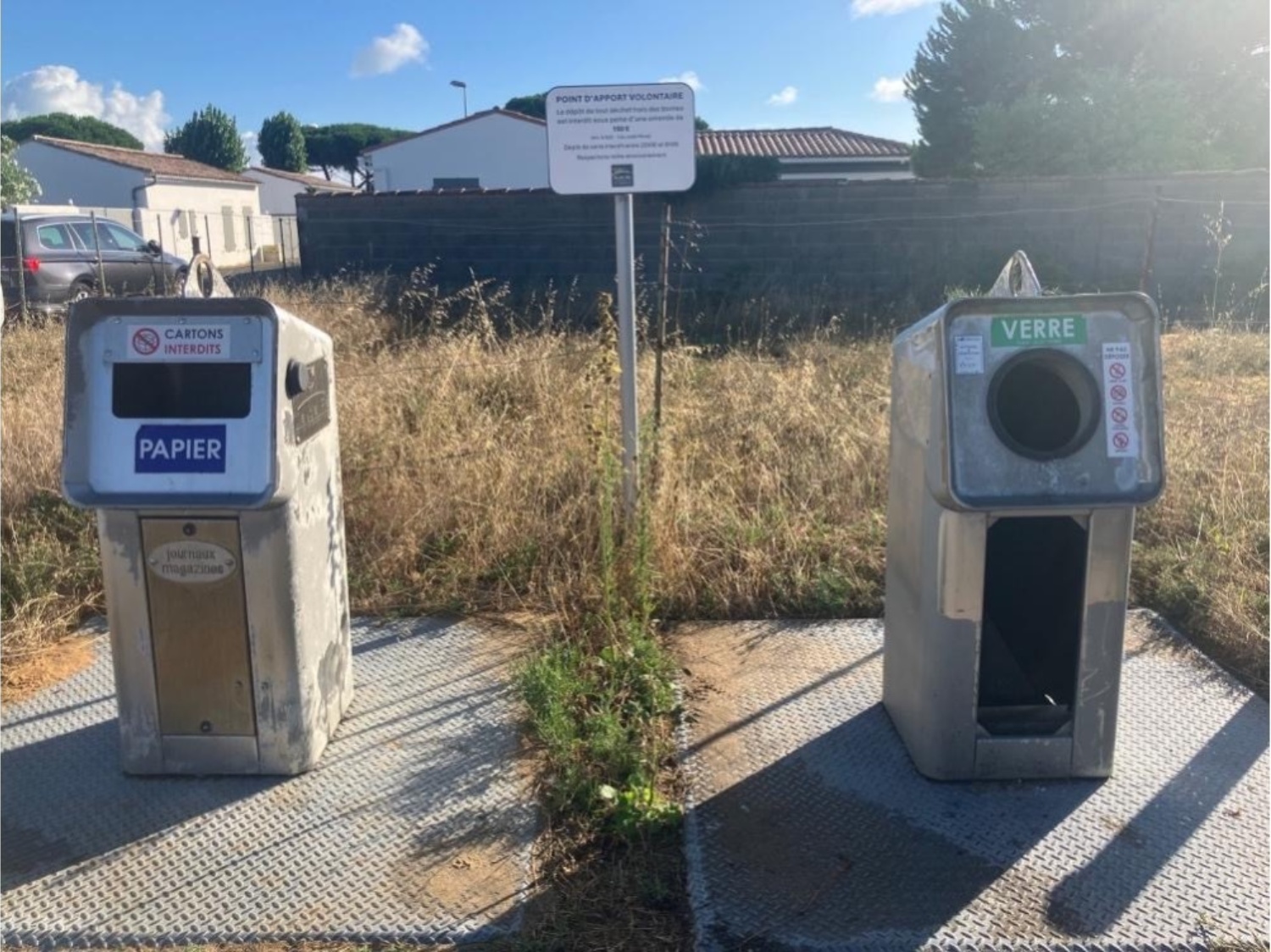
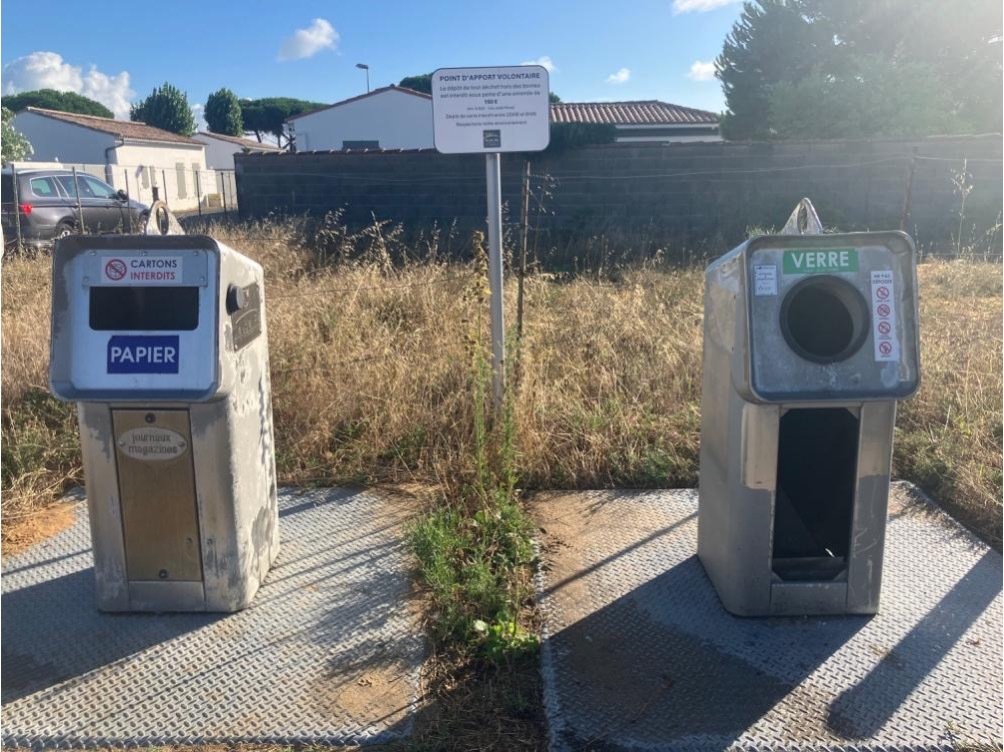
Take recycling. If you know anything about the Simpler Recycling debates in the UK, you’ll be aware that separating out paper and glass is a cause of ongoing tension. In France, it’s standard.
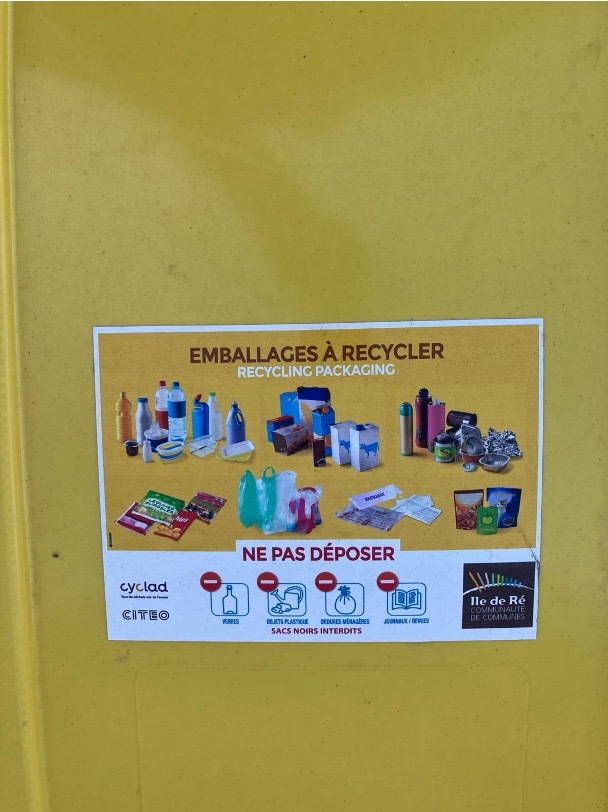
Likewise, in the UK we’ve had some recent commotion about whether or not soft plastics should be collected kerbside, but in France this is now normal (I didn’t get into what happens to them afterwards).
On the other hand, there was no food-waste collection in any of the places where we stayed - a useful reminder not to turn a holiday observation into a France-good, Britain-bad morality tale.
These contrasts made me think about how much easier a behaviour becomes when the environment around you makes it feel normal. At local markets, buying food from nearby producers didn’t feel like making a “sustainable choice”. Nor did walking (or cycling) to the boulangerie every morning.
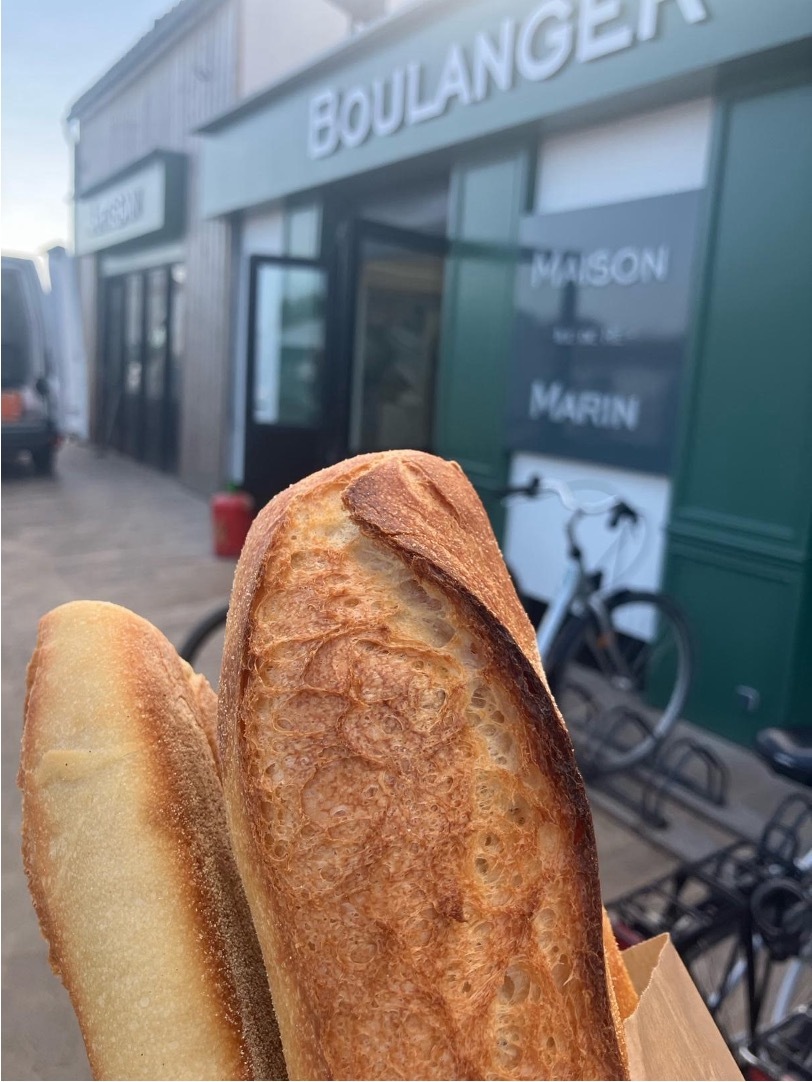
These were simply established ways of shopping: familiar, pleasurable and woven into local life.
That matters, because sustainable behaviour is often presented as sacrifice. Use less. Drive less. Buy less. Give something up for the planet. It’s so much better when sustainable behaviours offer something people actively want: good food, sociability, convenience, pleasure, identity.
Then there were the vide-greniers: somewhere between a car-boot sale and village social event. Again, second-hand wasn’t being sold as an ethical alternative to consumption. People were buying old furniture, clothes, toys (and tubas?) from their neighbours because it was cheap, interesting and a fun day out. No carbon calculator required.

The messaging around protecting places got me thinking too. Beaches, dunes and areas at risk from fire came with plenty of instructions: where dogs could go, where people shouldn’t walk, what not to do when fire risk was high. What struck me was how matter-of-fact much of it felt.
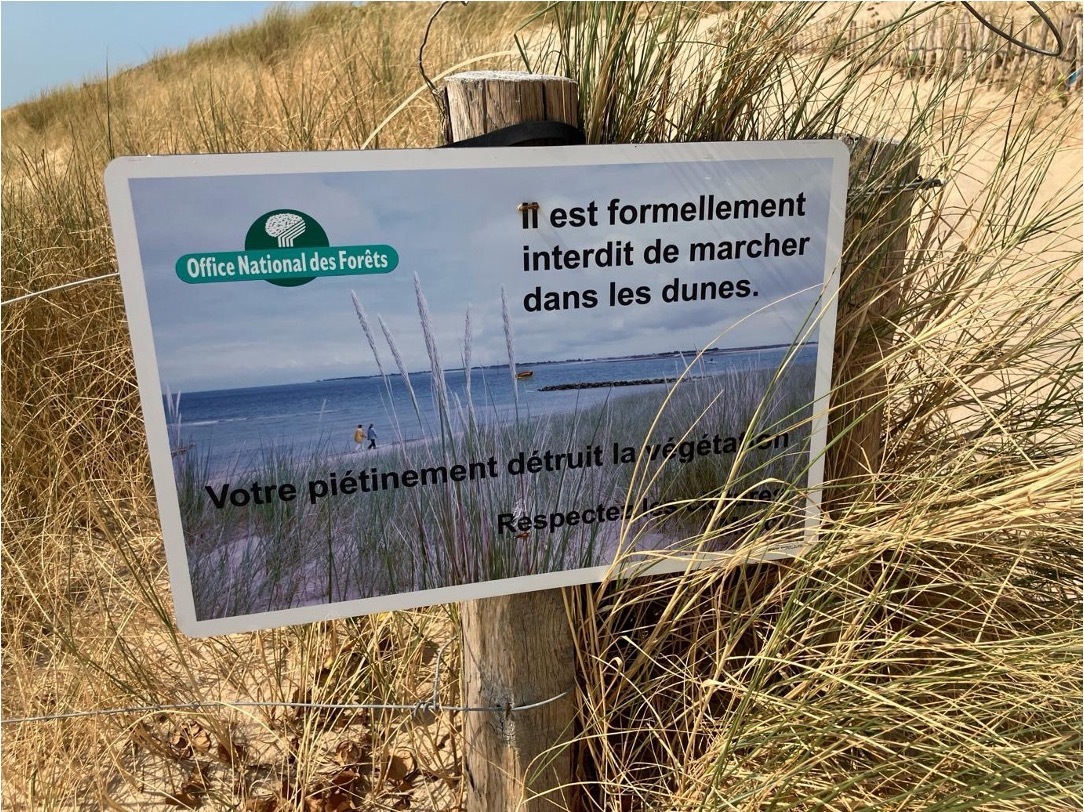
In behaviour change communications we can sometimes tie ourselves in knots trying to persuade, charm or nudge people towards the right action. There is a place for that, of course. But sometimes a clear instruction, backed by an obvious reason and a social expectation, does the job quite well enough.
So is France ahead? Probably not in any simple, measurable sense. And certainly not on all fronts. But I did come away thinking that in some parts of French life, behaviours we would label “sustainable” in Britain are less likely to be treated as a specialist category.
They are shopping habits. Social rituals. Local traditions. Infrastructure. Rules. Things people have always done, or things the system now expects them to do.
And perhaps that is the bigger lesson. The goal of behaviour change shouldn’t necessarily be to persuade people to become more sustainable. Sometimes it should be to create a world in which the more sustainable behaviour is simply what people do.
Maybe the real trick is to make sustainable living feel less like sustainability and more like, well, ‘normalité’.
Share
RELATED ARTICLES
Behavioural science
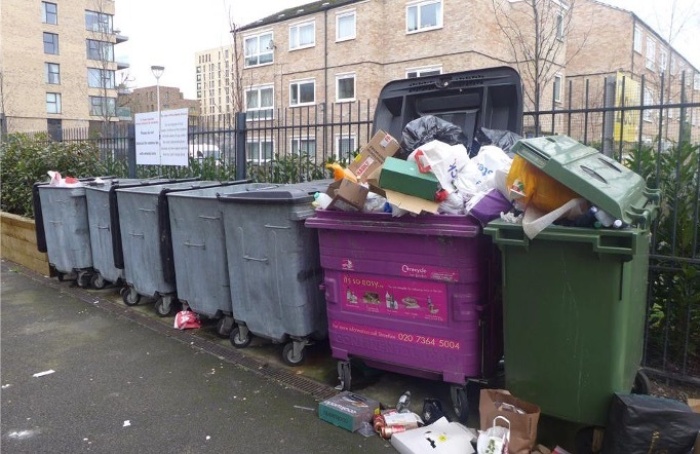
Making recycling work for underserved communities
Honica shares learnings about how we design recycling that works for everyone
03/06/26
Read moreSustainability
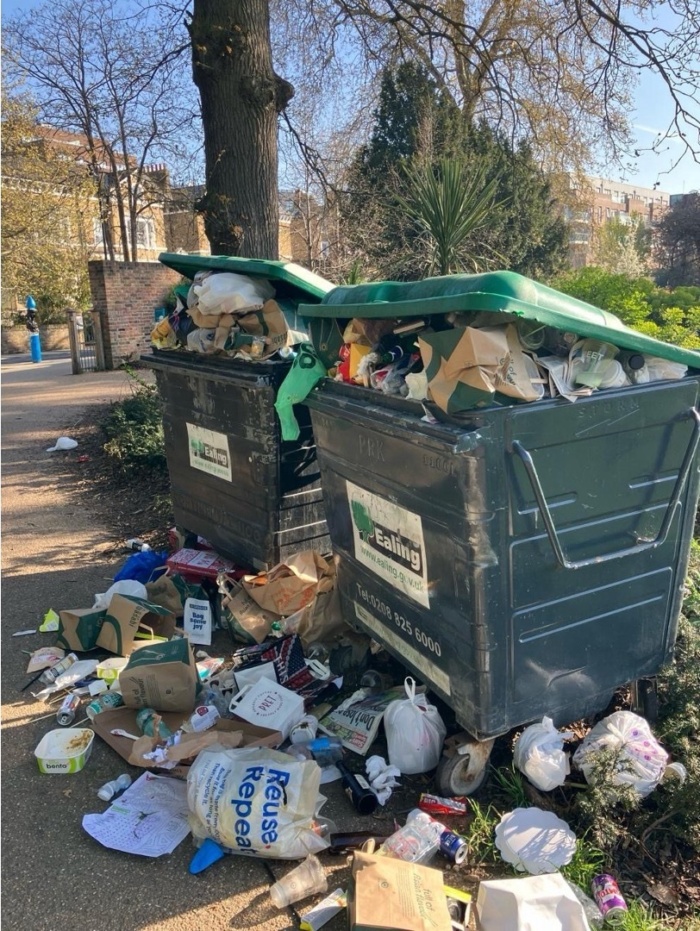
When is littering not littering?
The 5 types of littering behaviours
08/05/26
Read moreBehavioural science

Got the hang of your recycling? Think again.
With big changes coming to recycling, Rob lays down what's needed for them to succeed
01/07/25
Read more