From intention to action: we’ve known the problem for years. So why hasn’t it been solved?

David Hall Executive Director
15/05/26
3 mins
Share
In 2011, back in the early days of Behaviour Change, we ran a piece of research with the Guardian looking at public engagement with “green behaviours”. Even then, something interesting was happening.
People claimed to be doing a lot. Recycling, saving energy, buying responsibly. On paper, we looked like a nation of eco-warriors. But scratch the surface and a different picture emerged. There was widespread overclaim, with people habitually saying they were doing far more than they actually were. But perhaps more importantly there was also a growing sense of “I’ve done my bit already.” We called this “green saturation”.
Fifteen years on, surprisingly little has changed.
In recent work in the US on food waste, we’ve seen the same pattern play out again: people believe they’re already doing everything they reasonably can to reduce wasted food. And they remain surprisingly resistant to further effort.
Different behaviours. Different geographies. But still the same underlying dynamics.
You see it in recycling too. In 2019, we worked with WRAP and Boots to pilot new on-pack messages to boost the recycling of bathroom bottles.
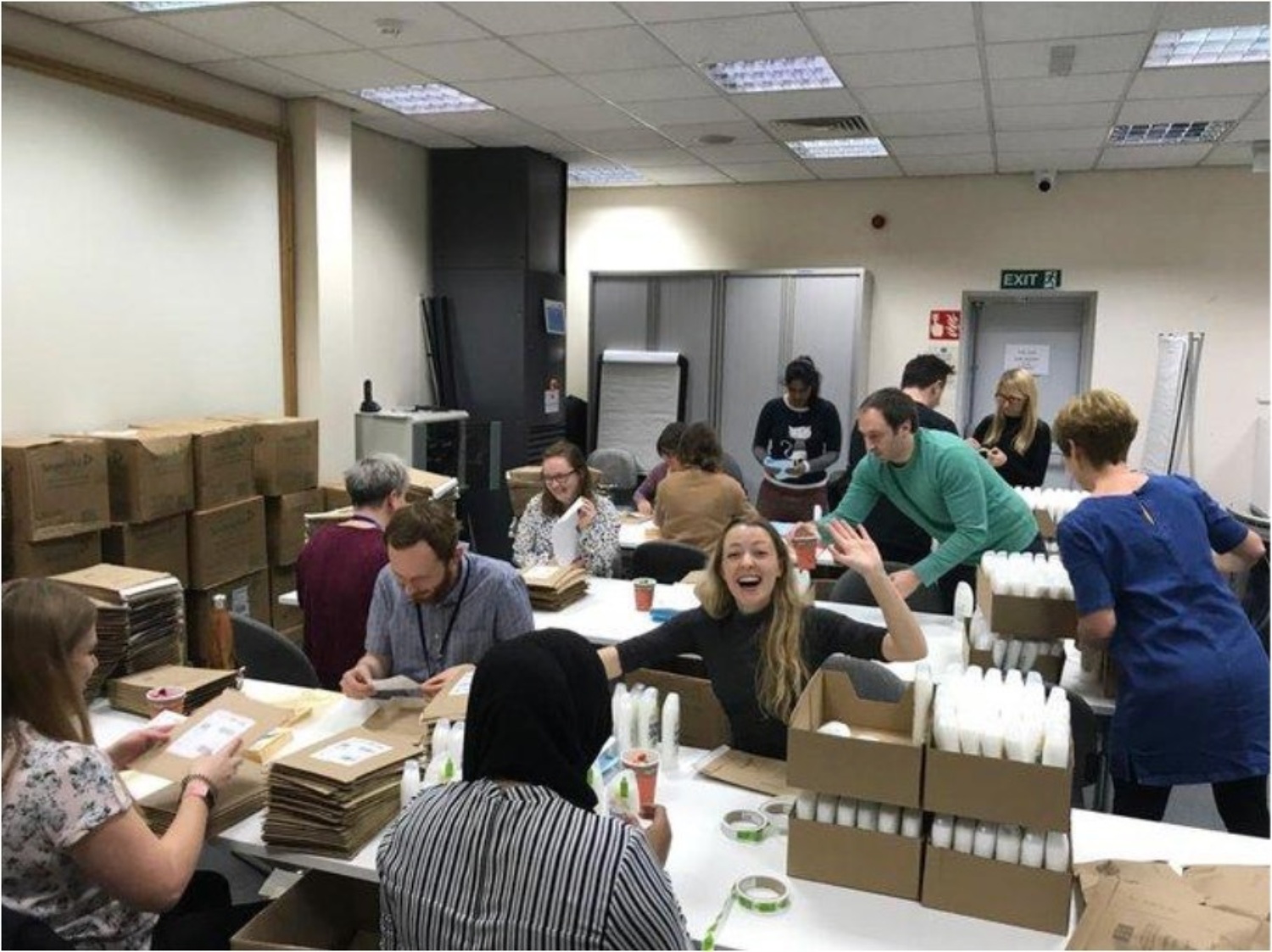
The trials involved packing 4,000 bottles in envelopes and sending them to unsuspecting members of the Boots product testing panel, and the Behaviour Change and WRAP teams spent a memorable day at Boots HQ in Nottingham getting this done.
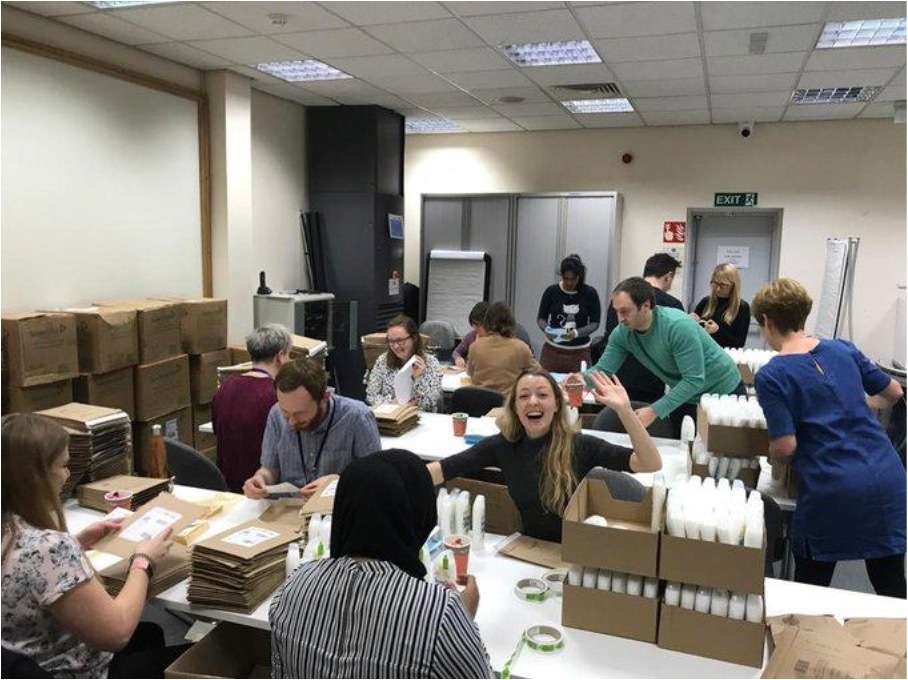
After all this effort, the good news was that the pilots drove a significant increase in recycling*. But despite such bright spots, missed capture on readily recyclable items remains stubbornly high, even though recycling is typically the number 1 action people claim to be taking to help the environment. People intend to recycle. But intention alone doesn’t get the job done. And life continues to get in the way.
Which brings us to the problem we come back to more than any other in our sustainability work - the gap between what people say and what they actually do.
At Reset Connect this June, we’ll be getting the gang back together. I’ll be joining Jen Emerton from WRAP and Candice Smith from Boots to dig into this properly.
Not another session on awareness. Instead, we’ll focus on what actually shifts behaviour in the real world.
Using refill and reuse as a live case study, we’ll explore why these models, despite strong intent and growing availability, still struggle to scale. And we’ll share some practical behavioural principles that consistently make the difference across contexts, from food waste to circular economy initiatives.
Because the challenge isn’t getting people to say they want to change. It’s helping them do it. If you like the sound of this, you can sign up for Reset Connect here.

Share
RELATED ARTICLES
Sustainability
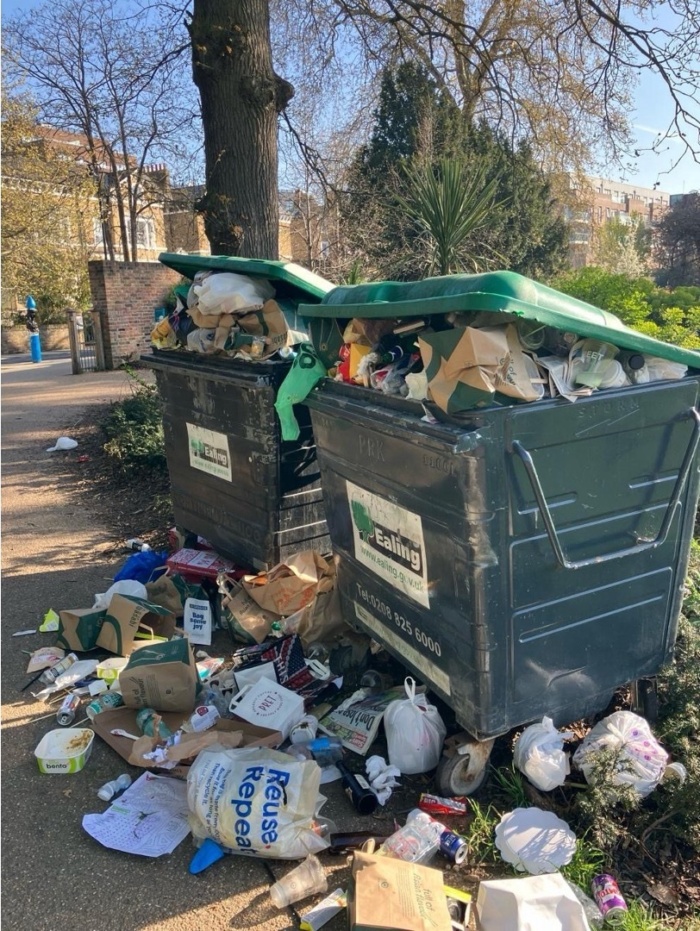
When is littering not littering?
The 5 types of littering behaviours
08/05/26
Read moreSustainability
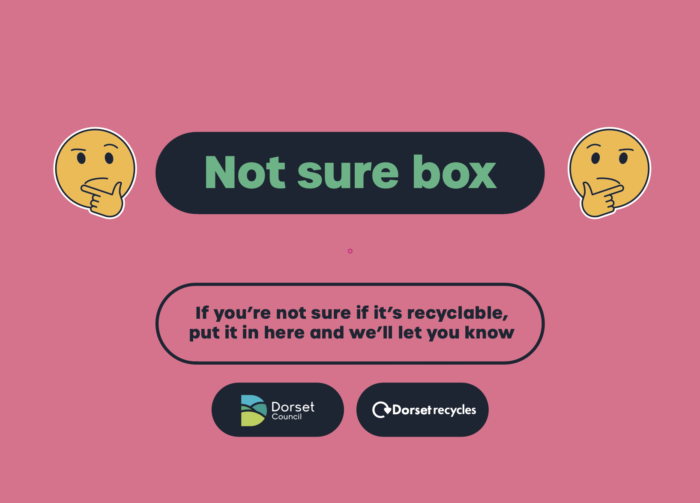
Wishcycled recently?
Our innovative intervention to tackle one of the biggest barriers to recycling correctly
25/06/25
Read moreOpinion
Disposing of disposable vapes: what could happen next?
Tasha explores 3 potential unintended consequences following the UK ban on disposable vapes
06/06/25
Read more