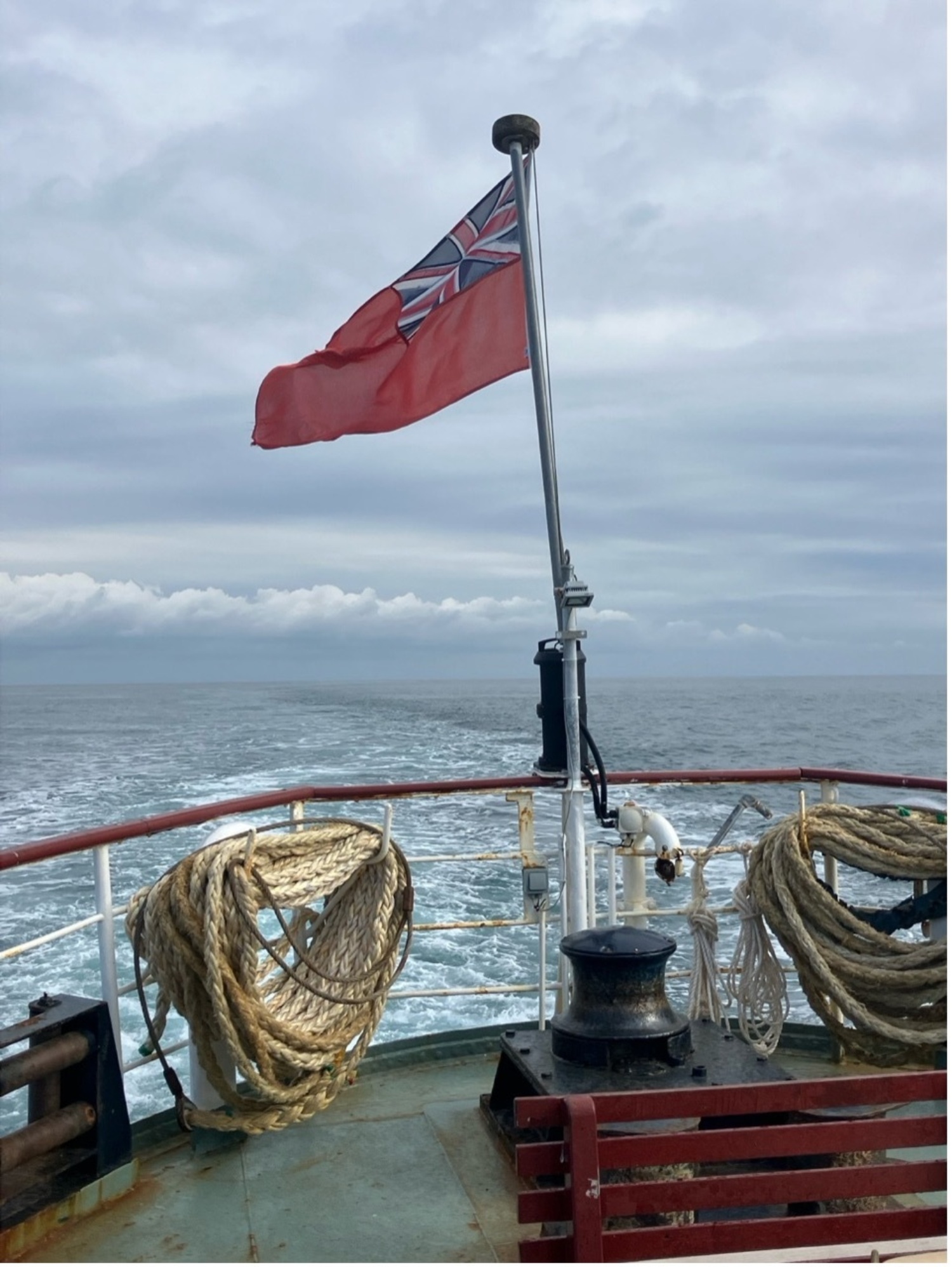
Lessons from a very small island — Part 1

David Hall Executive Director
02/11/26
4 mins
Share
At midnight on Lundy Island, the electricity goes off.
Not because of a power cut. It just goes off, every night and comes back on at around six in the morning.
It's a strange experience when you're accustomed to electricity being available whenever you want it. But it's just one of the many things that make Lundy such an extraordinary place.
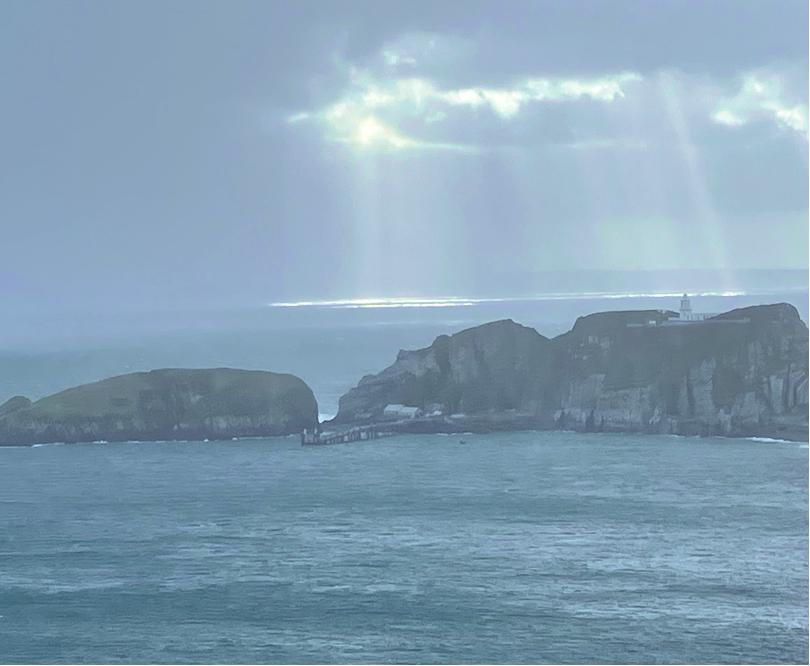
A small, windswept island 12 miles off the Devon coast, Lundy is three miles long, half a mile wide, and has been inhabited for millennia. Today, it's managed by the Landmark Trust, with a tiny permanent population and a steady stream of visitors seeking to escape the modern world.
I've visited several times, and it's one of my favourite places. The scenery is extraordinary, the wildlife abundant, and the sense of isolation almost complete.
But a rather eventful visit last weekend, involving a severe water shortage, a damaged road, a major storm and an unexpected helicopter extraction, made me think a little differently about the place.
Because there's an interesting contradiction at the heart of Lundy. While it feels almost entirely self-sufficient, it’s actually quite the opposite.
The machinery behind paradise
The island isn't connected to the National Grid. Its electricity comes from diesel generators, which you can hear chugging away in the village. According to the Landmark Trust, Lundy consumes approximately 160,000 litres of diesel annually to provide its power and heating.
All of that fuel has to come from the mainland. Along with the vast majority of its food and pretty much everything else required to sustain a modern community.
Even its water supply, normally obtained from rainfall, this year became so depleted after months of dry weather that tens of thousands of litres were being shipped across the Bristol Channel in large plastic containers. And getting those supplies to the village had become a major logistical challenge after a landslip damaged the only road up from the jetty.
Then Storm Austen arrived and the boat stopped sailing altogether.
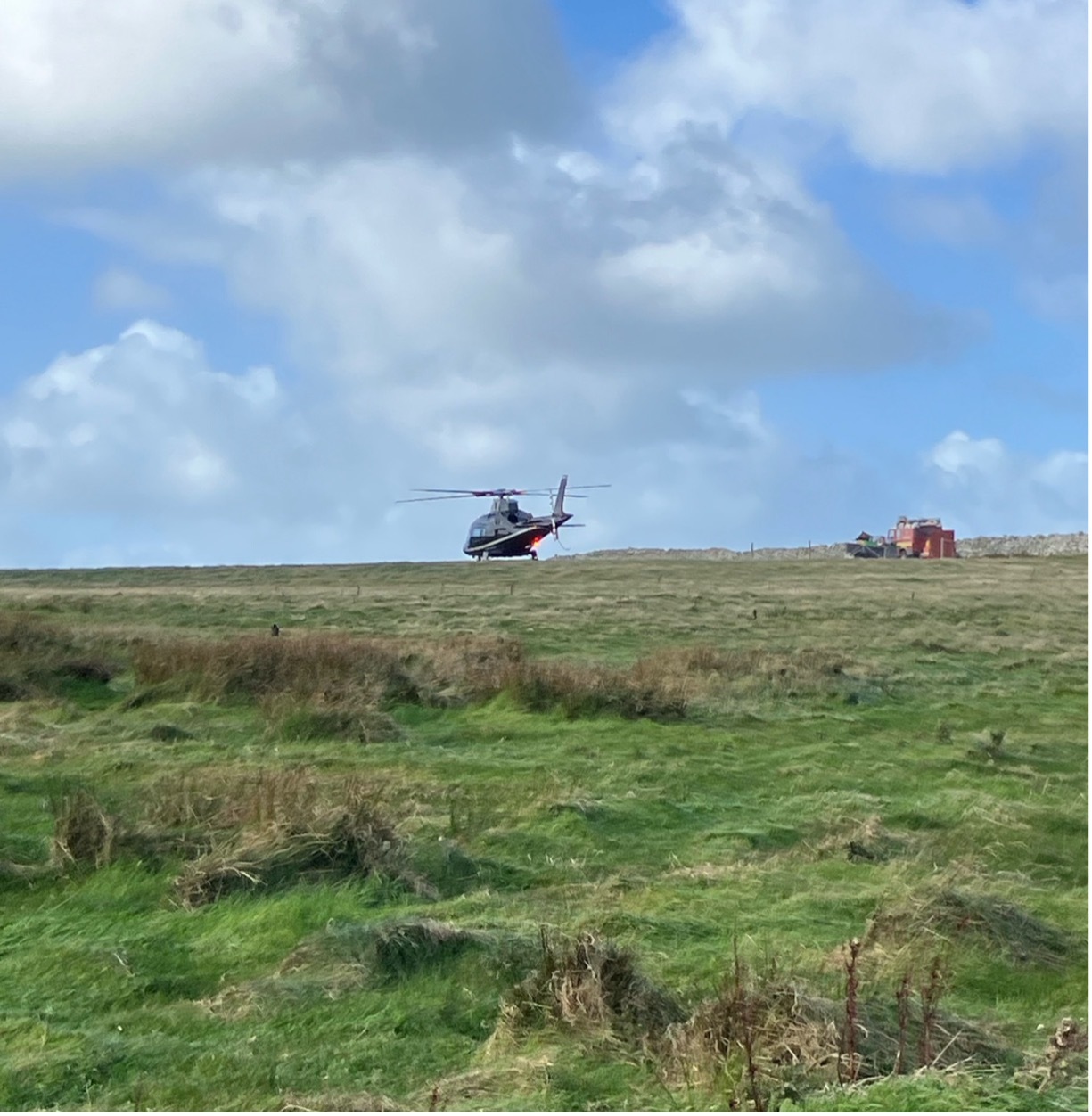
Eventually, we escaped by helicopter. Another extraordinary piece of machinery, consuming a considerable amount of fossil fuel to transport a small number of people across a relatively short stretch of water. The irony wasn't lost on me.
We'd come to Lundy to escape the complications of modern life, only to discover just how much complicated, resource-intensive infrastructure is required to sustain that escape.
Defeated by the wind
There's another interesting story in Lundy's energy history.
In 1982, the island installed an early wind turbine, known as the aerogenerator, to supplement its diesel generators. And if Lundy has an abundance of anything, it's wind.
Unfortunately, this turned out to be the problem. Rather entertainingly, the aerogenerator was repeatedly blown over, before eventually being removed in 1996.
Today, Lundy is looking to return to renewable energy. The Landmark Trust has published proposals for a combination of wind, solar and battery storage, which it estimates could reduce the island's diesel consumption by 80–85%. So, after several decades of reliance on diesel generation, the island may find itself returning to a technology it abandoned thirty years ago.
But this introduces another of Lundy's contradictions.
How much are we prepared to change nature in order to protect it?
In the early 2010s, there were plans to build an enormous offshore wind farm in the Bristol Channel, within sight of Lundy. Known as the Atlantic Array, it would have comprised up to 240 turbines, stretching across a substantial area of sea and with the capacity to power nearly a million homes.
The plans generated considerable opposition, including from the Landmark Trust, which was concerned about their impact on Lundy's landscape and sense of remoteness.
The scheme was eventually abandoned in 2013, although the developer cited technical and economic difficulties rather than the objections of campaigners.
We want beautiful, unspoiled landscapes. We want to preserve biodiversity, protect wildlife and maintain the character of places like Lundy.
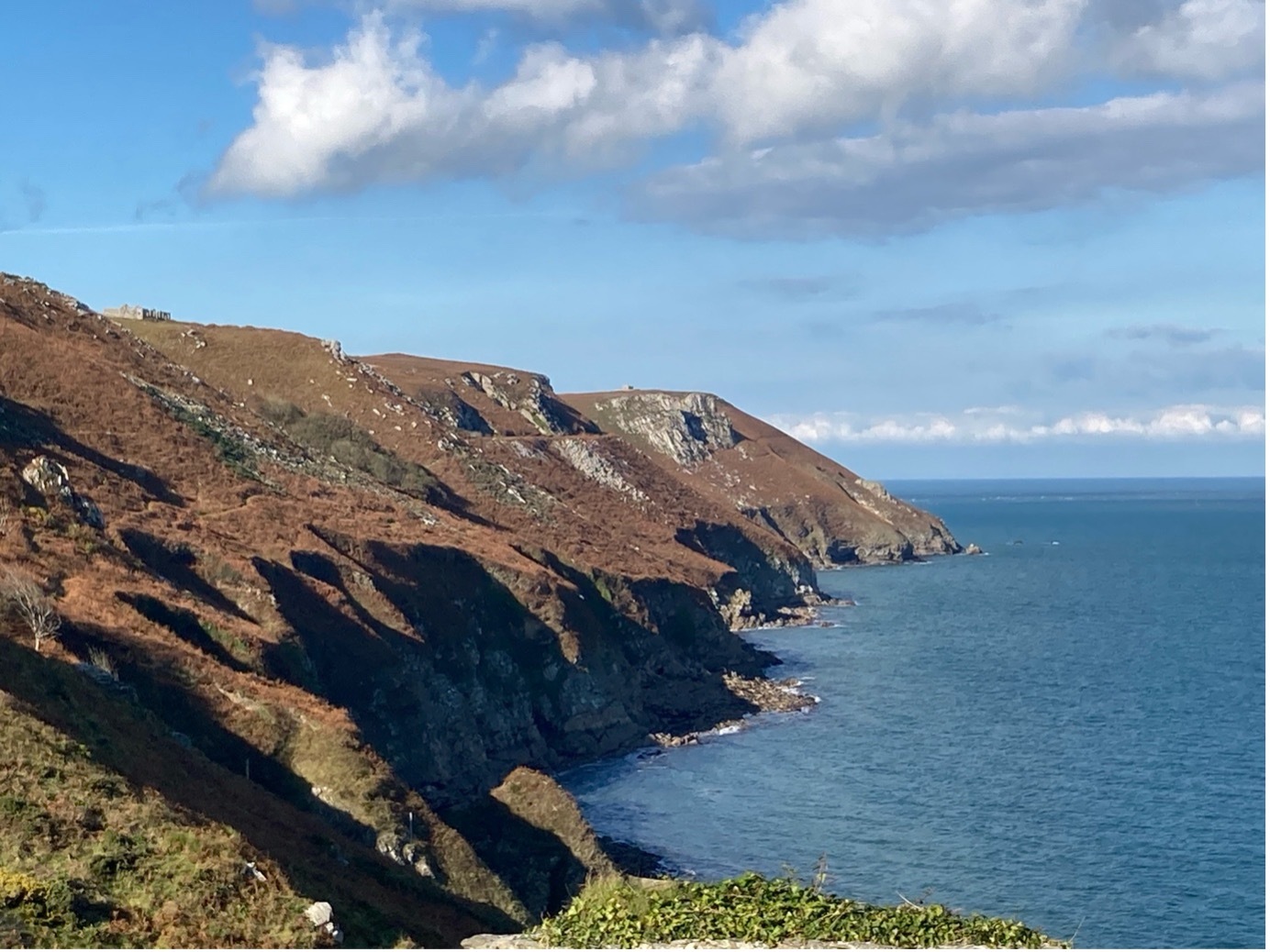
But we also want renewable energy, fewer carbon emissions and a more sustainable future. And sometimes those ambitions collide.
Of course, installing a small turbine on Lundy isn't the same as building 240 enormous ones offshore. There are real questions about scale, landscape, habitats and wildlife. But the underlying tension is hard to escape.
We cannot expect to transform our energy system without accepting that some of the infrastructure required will be visible. Some compromises will have to be made. And there are genuine costs to both action and inaction.
The illusion of self-sufficiency
What I find interesting about Lundy is that it makes these dependencies and trade-offs very visible.
On the mainland, most of us rarely think about the infrastructure supporting our daily lives. The complex networks of energy, transport and natural resources required to make our lives possible are largely hidden from view.
On Lundy, they're impossible to ignore. You can hear the generators, see the fuel arriving, watch the supplies being unloaded and experience what happens when the weather interrupts the whole operation.
It's tempting to regard this as a peculiar feature of island life. But of course, none of us is truly self-sufficient. London is no less dependent on vast networks of infrastructure and resources than Lundy. Its dependencies are simply bigger, more complicated and much easier to overlook.
A sustainable future isn't just about finding new technologies or persuading people to consume less. It's also about recognising the extraordinary systems on which our lives depend, and being prepared to make difficult choices about how those systems must evolve.
I left Lundy with the slightly uncomfortable thought that one of the most beautiful, apparently untouched places I've ever visited relies on an awful lot of fossil fuel to remain that way.
Paradise, it turns out, runs on diesel.
Share
RELATED ARTICLES
Behavioural science

How hard can it be to get kids to brush their teeth?
Why knowing isn’t doing, and what children’s toothbrushing can teach us about changing behaviour
24/09/26
Read moreSustainability
France’s sustainable je ne sais quoi
Exploring what France can teach us about making sustainable behaviours simpler
21/08/26
Read more