
As our name implies, here at Behaviour Change we love behavioural science. But if I’m honest, the more academic end of the spectrum can sometimes feel a little dispiriting. Did the green sticker really drive a 0.2% bigger response than the red one? Important, perhaps - but not exactly the stuff that changes the world.
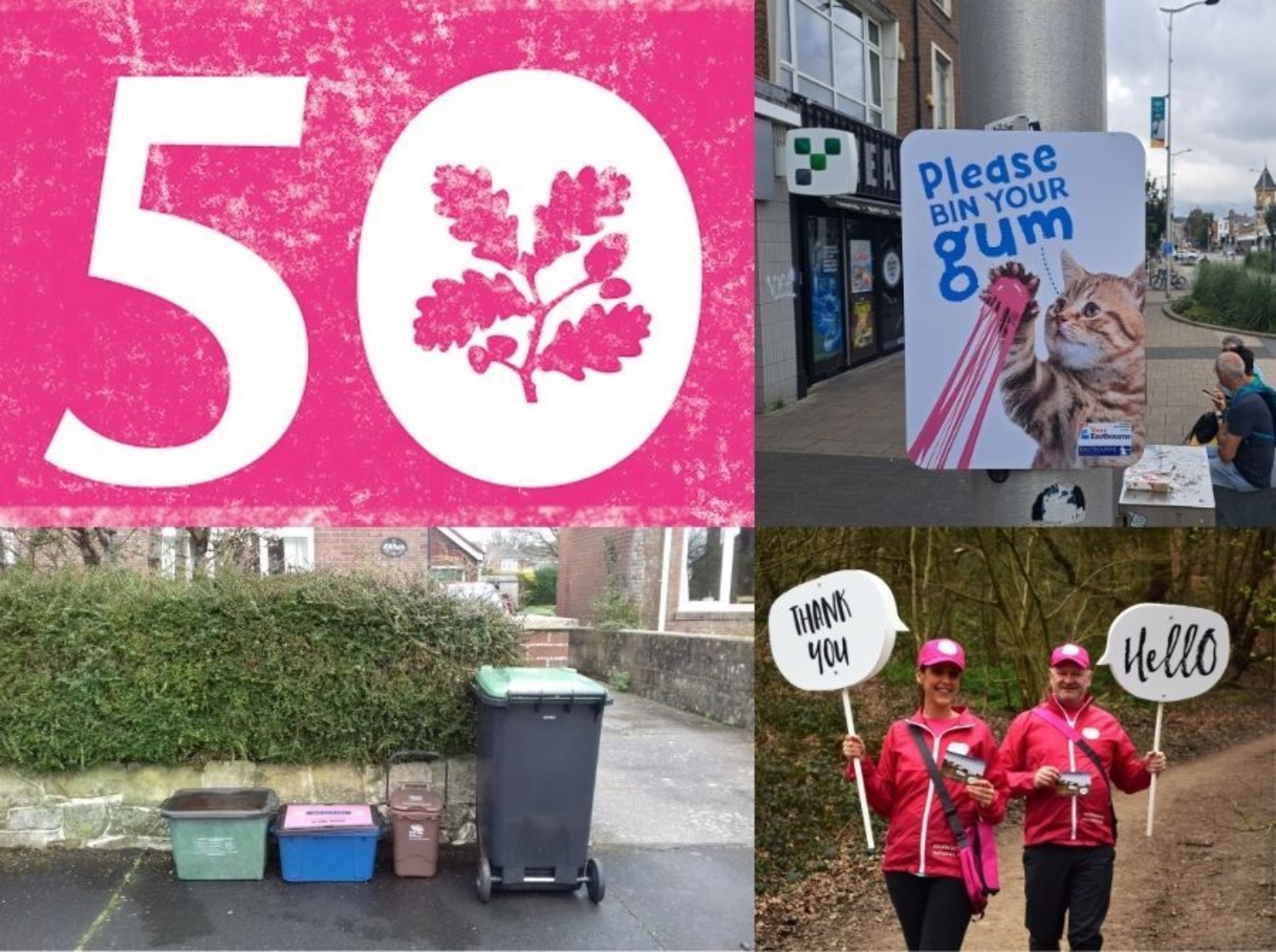
That’s why we’ve always loved big ideas. If you know our work, you’ll recognise the instinct: ideas that reframe problems and make people look again. 50 Things to Do Before You’re 11¾. The Not Sure Box. A kitten with chewing gum stuck to its paw. Ideas that create energy and emotion.
Recently though, I’ve been thinking about the downside of focusing too heavily on ideas alone.
I’ve been reading Chris Clark’s account of the revolutions of 1848 - Revolutionary Spring. I was lucky enough to be taught by Chris (rather a long time ago) when I was a History student, and he has a knack for making distant events feel surprisingly current. In 1848, Europe seemed to catch fire all at once. Cities erupted in violent protest, governments fell, ideas spread fast. For a moment, it looked as if everything was changing. And yet, within a few years, much of it had dissolved or been reversed.
Chris argues that we should think of the continental uprising as “a particle collision chamber” where “people, groups and ideas flew into it, crashed together, fused or fragmented, and emerged in showers of new entities whose trails can be traced through the decades that followed.”
What’s striking is how much energy there was - and how little strategy. When revolutionaries gained power, they often had no plan for what came next.
That distinction feels surprisingly modern. Because once you start looking for it, you see the same pattern everywhere. Not just in history books, but in politics, organisations and campaigns today.
We use the word “strategy” all the time, but usually to mean something else. A slogan becomes a strategy. An aspirational policy becomes a strategy. A burst of momentum becomes a strategy. They aren’t.
A strategy is not the idea. It’s not the plan. It’s the logic that connects ambition to outcomes - a theory of how change actually happens.
Current politics offers plenty of examples.
Donald Trump illustrates the distinction well: relentless tactical agility, but a less obvious long-term strategic logic. Tactical instinct can dominate headlines, unsettle opponents and shape the moment. But tactics alone don’t add up to a coherent strategy.
The recent enthusiasm around the Greens over their surging success shows a different kind of confusion. Strong values and a compelling message about what’s wrong can generate momentum. But momentum - and even popular policy - isn’t a strategy. The question is always the same: how does it translate into durable change?
This is why strategy makes people uncomfortable. Ideas are exciting. Plans are tangible. Strategy sits awkwardly in between, forcing choices and trade-offs. It asks questions people don’t always want to answer: what are we not doing? What must be true for this to work? How do all these actions add up to something bigger?
One metaphor I’ve been using recently is of strategy as the plate, not the meal. Ideas are the ingredients. Tactics are the cooking. The plate is what holds everything together. And you barely notice it when it’s doing its job.
The revolutions of 1848 remind us that energy alone rarely changes the world. Movements, campaigns and organisations often succeed or fail not because of the strength of their ideas, but because of the clarity of their strategy.
Ideas can start a movement.
Only strategy helps it last.
Share
RELATED ARTICLES

I took my ring off. Here’s what happened next
When helpful feedback becomes constant, it can start replacing our judgement
01/10/26
Read moreBehavioural science
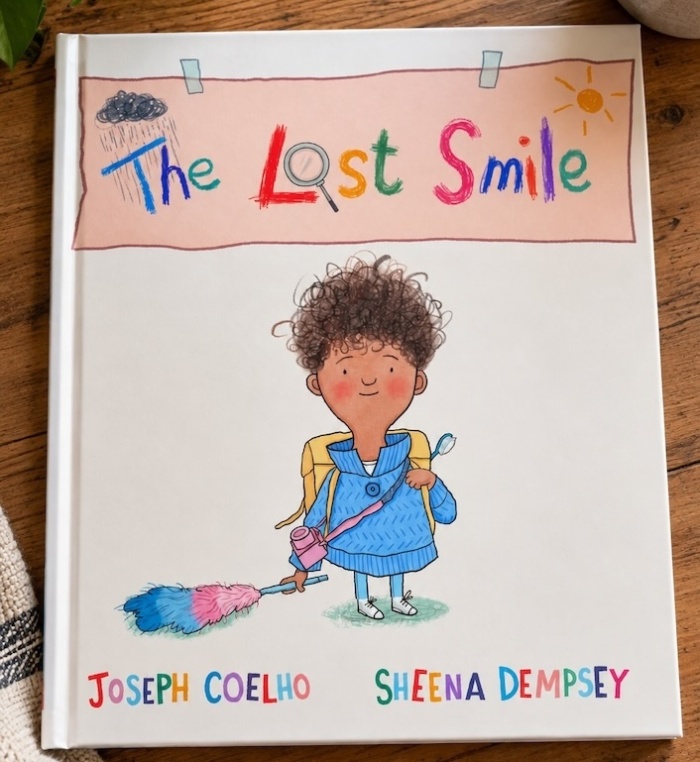
How hard can it be to get kids to brush their teeth?
Why knowing isn’t doing, and what children’s toothbrushing can teach us about changing behaviour
24/09/26
Read moreOpinion

Friction isn’t necessarily the enemy
Not all friction is bad; the right friction can prevent mistakes and support better behaviours.
06/08/26
Read more